

Transforming Land Development Approvals in Miami with AI and Automation
How Deligence Technologies helped a Miami land development firm cut approval timelines and eliminate the manual chaos of navigating a complex regulatory process.
KEY OUTCOMES
At a Glance
Industry
Real Estate
Location
Miami, FL, USA
Service
Land Development
Success Highlights
35–50% Faster Approval Timelines
Higher First-Time Approval Rates
No Manual Follow-Up Needed
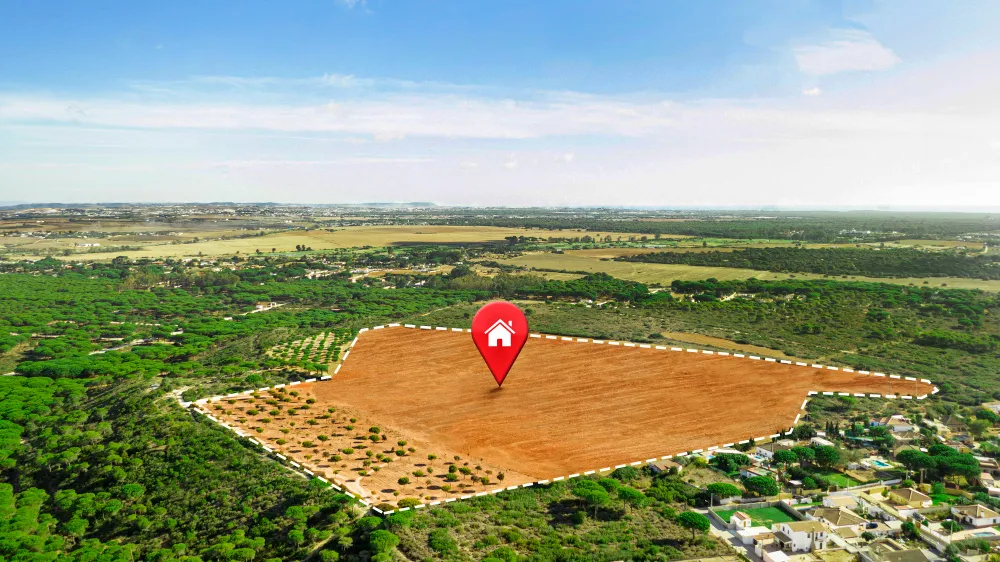
ABOUT LAND DEVELOPMENT
Project Overview
In land development, time is one of the most expensive variables in a project. Every month a development waits on approvals, increases carrying costs, delays construction timelines, and pushes revenue further out. In markets like Miami, where many zoning, planning, and entitlement decisions are tied to monthly review and hearing cycles, even a missed submission window can push a project back by an entire month or more.
We worked with a mid-sized land development firm in Miami that was struggling with a fragmented approvals and coordination process. Their projects required ongoing interaction with agencies such as Miami-Dade County and the City of Miami Building Department, along with zoning reviews, environmental assessments, permit tracking, site plan coordination, and inter-department communication.
We built an AI-powered Land Development Approval Management Platform that centralizes the entire approval process, automates compliance checks, and gives developers real-time visibility into where every project stands.
KEY CHALLENGES
Five Gaps Slowing Down Miami’s Growth
Miami's regulatory landscape is complex by design. The client was feeling every layer of that complexity.

Approval delays don't just push back timelines they erode project economics. There is a better way to keep every development moving forward.
OPPORTUNITY
Transforming Development Approval Management
Miami is one of the most active and regulated real estate markets in the United States. For developers, that means every project must pass through multiple layers of approval before a single shovel goes in the ground. The client was managing several multi-phase residential and mixed-use developments simultaneously. Each one required coordination with zoning departments, environmental agencies, building departments, and utilities. Doing this manually was no longer sustainable. They needed a platform that could bring order to the approval process, reduce delays caused by incomplete submissions, and give their team a clear picture of where every project stood at any given time.
1
Tracking approval status across multiple agencies and project phases
2
Checking compliance before documents were submitted
3
Automating notifications and deadline reminders
4
Reducing the back-and-forth caused by incomplete or non-compliant submissions





Project WORKFLOW
Building the System, Step by Step
We mapped Miami's specific approval lifecycle before writing a single line of code. The platform was built to reflect how approvals actually work in this market.
1
Centralized Development Dashboard
We built a unified project dashboard where the team can track every approval stage across all active projects. Zoning, environmental, building permits, and inspections are all visible in one place. No more chasing updates across email threads and phone calls.
2
Smart Plan Submission System
3
AI Compliance Engine
4
Automated Approval Workflow Engine
5
Authority Integration Layer
6
Communication and Notification Automation
7
Predictive Timeline and Bottleneck Detection
REAL IMPACT
Faster Approvals, Better Outcomes
A streamlined approval process that reduces delays, improves compliance, and gives developers complete visibility across every project.
TECHNOLOGY STACK
Built With the Right Technology
A robust technology stack designed to deliver a fast, scalable, and reliable platform.
Frontend/Backend:
React.js/Node.js
Database:
PostgreSQL(Supabase)
AI Layer:
Claude
Automation Workflows:
Workflow engine (LangGraph-style orchestration)